


-1761147112036.png)


energy
Dear fuels, "The operators are not responsible for the increase in prices"
The outburst of Antonio Famà, owner and manager of an Ip fuel station in the province of Catania.


The rise in fuel prices, which has returned to the center of public debate in recent weeks, is one of the most tangible effects of the international tensions related to ongoing conflicts. The dynamics of war directly impact the global energy markets, fueling uncertainty, speculation, and difficulties in supply chains. The result is reflected at the fuel stations, where businesses and consumers are faced with increasingly high costs.
Sicily has gathered the outburst of Antonio Famà, owner and manager of an Ip fuel station in Piano Tavola.
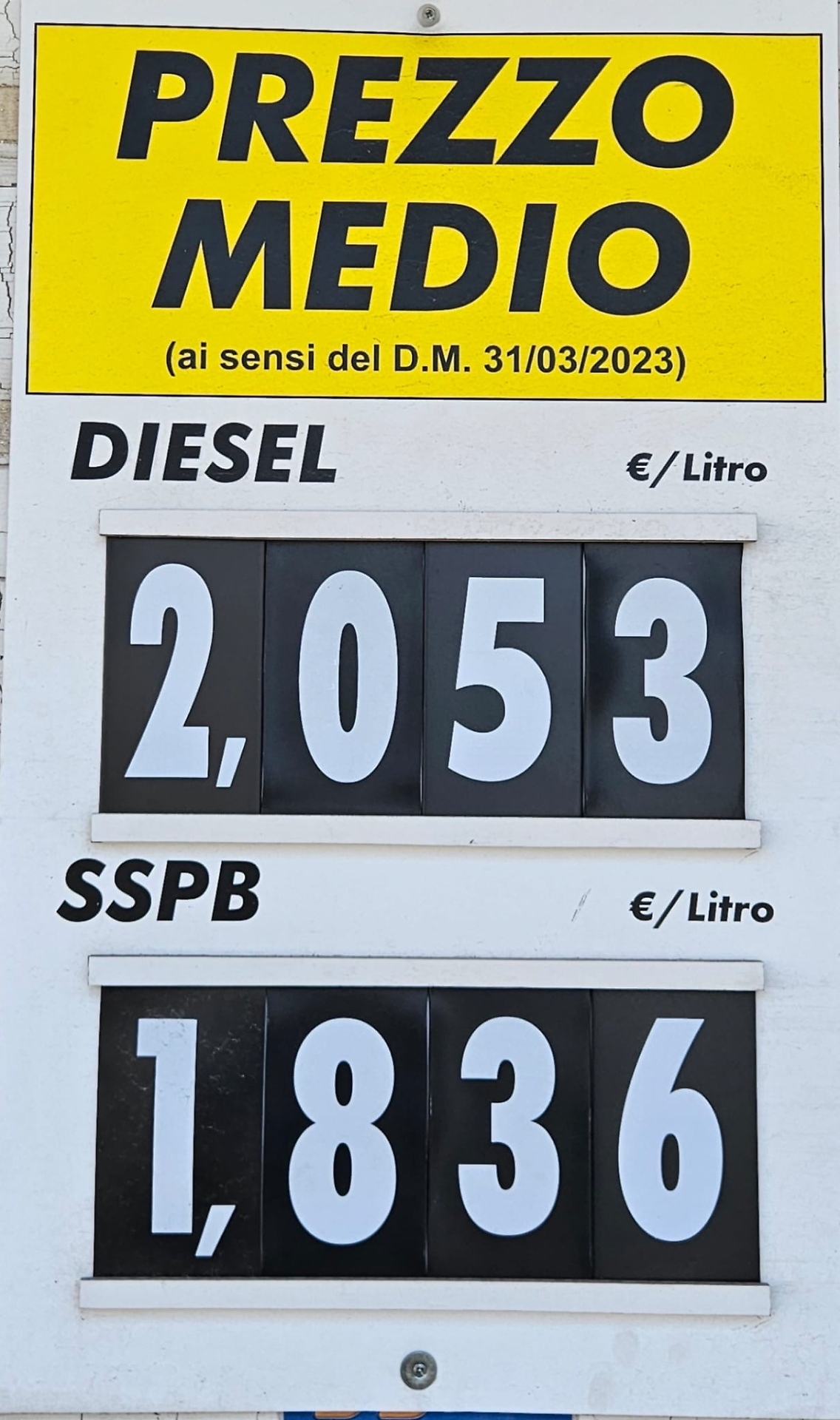
"All anyone talks about is skyrocketing gasoline and diesel prices - explains Famà (in the photo) - blaming the managers for the price increases, but it is necessary to make a consideration. As provided by the Development Law (Article 51 of Law 23 July 2009, 99), it is the Ministry of Enterprises and Made in Italy that constantly communicates the price of petroleum products above which sales cannot occur. It is not a fixed price, but a recommended one. Let me give you an example. I, as a manager, once filled up with seven liters of gasoline for ten euros, today with ten euros I can fill up almost five liters of gasoline. The commission for a manager is per liter, and in this way, I have already lost two liters for every ten euros. If I collect a thousand euros a day, I am actually losing because the liters sold are no longer a thousand, but 600-700. Regularly, it is the oil company that sends the distributors an email with updated prices, with the increases indicated by the ministry, not the distributor. It's like a stock market quotation: in which neither the companies nor the managers of the gas or diesel pumps have a role."
In the ups and downs of costs, therefore, there is one certainty. The final price of fuel arises from the combination of market, taxes, and the commercial policies of oil companies. With a very significant part of the price set by the State through excise duties (fixed taxes on fuels) and VAT at 22%.