


-1761147112036.png)


The Festival
The traditional recipe for the "Cucciddatu" of San Giuseppe with sausage and Ragusan caciocavallo.
In Scicli, from today until Sunday, the Cavalcata di San Giuseppe, the splendid parade with horses adorned with flowers.


The Feast of Saint Joseph in Sicily is rich in traditions, festivities, and delicacies made specifically for this occasion. From the traditional rice crispelle (widespread in the eastern area) to the sfinci of Saint Joseph (found in the western area), the zeppole of Saint Joseph. The tradition involves setting up the tables, or altars, of Saint Joseph, votive tables to offer food to the poor of the community in honor of the Holy Family. An ancient tradition where bread is never missing, considered the wealth of the table. The crafted bread is the protagonist, with symbolic shapes like hearts, Saint Joseph's staffs, and the decorated "cucciddatu", blessed and given to those in need. On the tables of Saint Joseph, typical dishes include macco of fava beans, pasta with chickpeas, vegetables, artichokes, oranges, and sweets. The "vampe" that accompanied the journey of the Holy Family - the feast recalls the Flight into Egypt - have disappeared, but the tradition of Saint Joseph endures in numerous centers of Sicily.
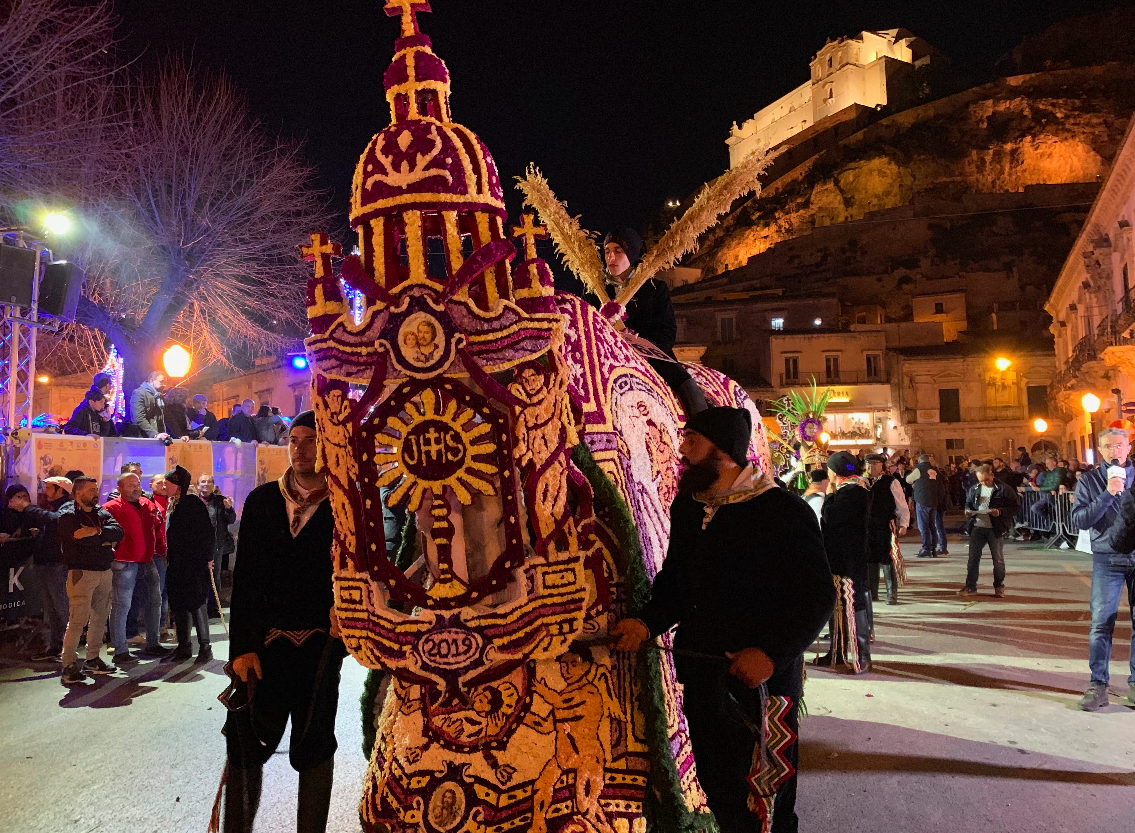
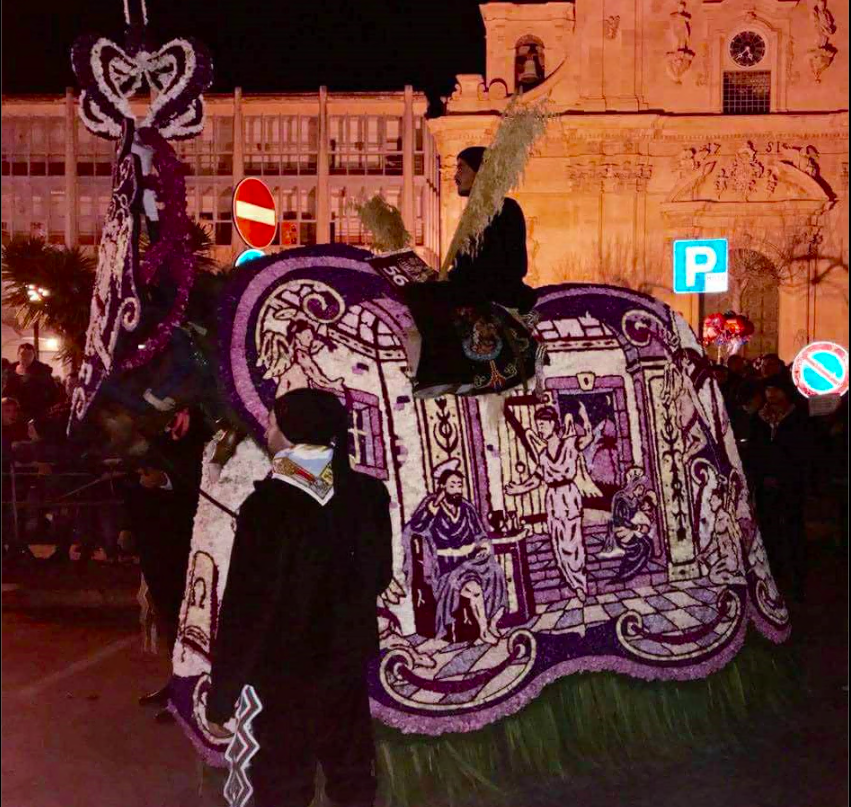
It is the time when families prepare the Cucciddatu, a special bread that becomes a votive offering and a symbol of abundance. Its circular shape comes from an ancient practical necessity: it allowed pilgrims and knights to slip it into their arms or hang it on the saddles of horses during the reenactment of the Flight into Egypt, bringing it in procession as an offering to the Saint. The tradition of stuffed breads originates from the recovery of bread dough, leftover mixtures that were enriched with whatever was available at home: cheeses, cold cuts, vegetables, tomatoes, aromatic herbs.
-1773397174141.jpg)
Here is the recipe for the Cucciddatu of Scicli proposed by chefs Alessandro Musso and Pierclaudio Ruta
Ingredients (for 4–5 pieces):
• 1 kg of re-milled durum wheat semolina
• 530 ml of lukewarm water
• 180 g of lard
• 23 g of salt
• 12 g of fresh brewer's yeast
• 600 g of local fennel sausage
• 150 g of semi-aged caciocavallo cheese
Procedure
1. Dissolve the yeast in the lukewarm water and combine it with the semolina and salt until a compact dough is formed.
2. Let the dough rest covered for about two hours.
3. Incorporate the lard by vigorously working the dough to make it elastic.
4. Let the dough rest for another 30 minutes.
5. Shape the dough into strands and close them into a “ring” creating a central hole.
6. Insert the fresh sausage, removed from its casing, along the circumference of the dough and finish with shavings of caciocavallo.
7. Bake in the oven at 200 °C for about 30 minutes until golden.