


-1761147112036.png)


the complaint
The 2026 Horror of Sicilian Fishing: Rising Diesel Prices Add to the Damage from Storms. "A General Shutdown is at Risk"
The island's fishing fleets, from Portopalo to Mazara, are in crisis: damaged vessels, unusable ports, and debris-filled seabeds. Now the international variable.


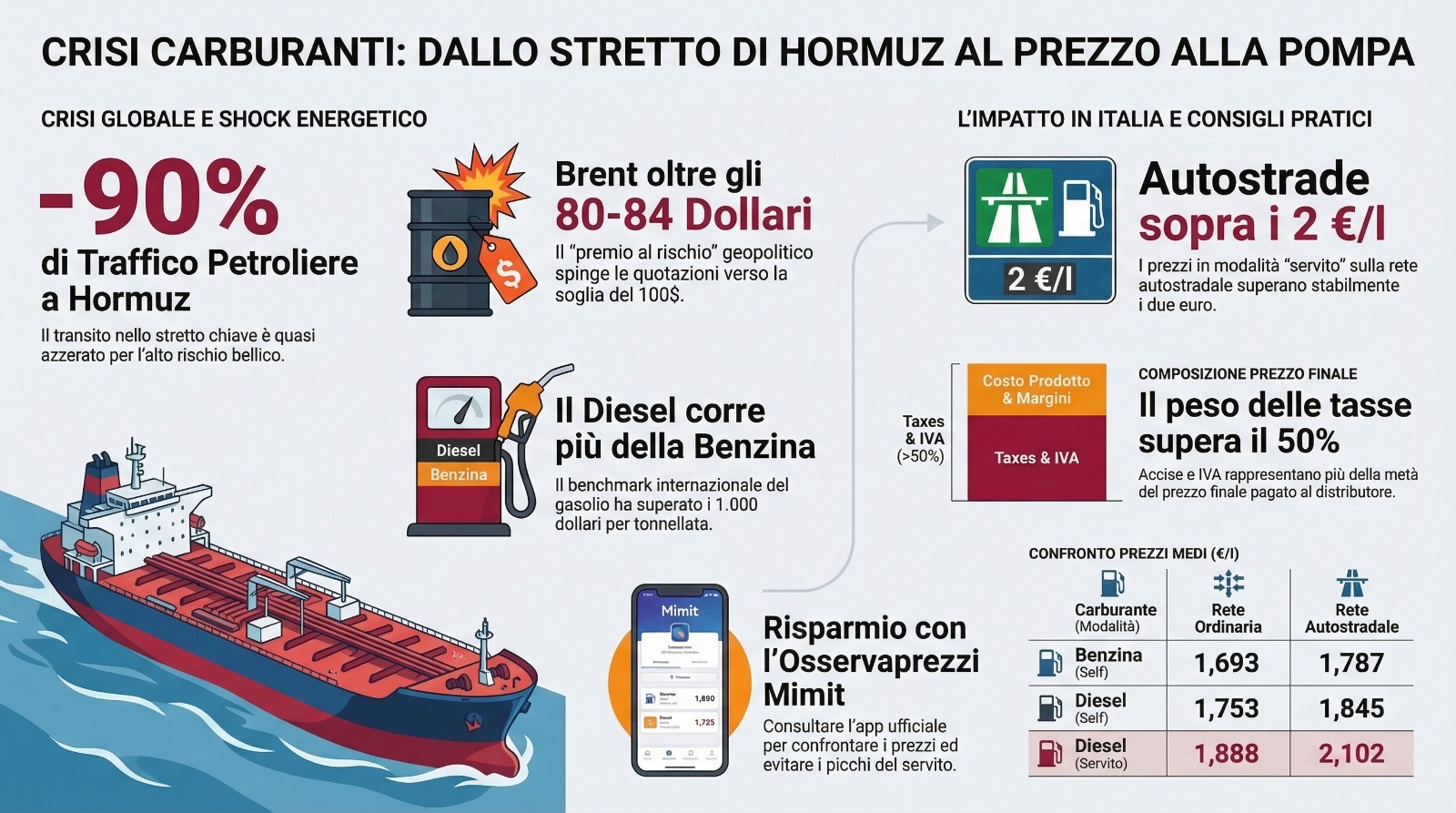
The escalation of the conflict in the Middle East, with the price of oil soaring back above 80 dollars a barrel, has exploded an already dramatic problem: the cost of fuel for fishing boats. A sector that operates on minimal margins now finds itself crushed by unsustainable expenses, while the bad weather of recent months has already crippled fleets, ports, and businesses.
For the fishing communities of the Island, battered by months of bad weather and an increasingly hostile sea, this new scenario risks being the final blow. For this reason, the regional trade associations, which have long complained about the difficulties in the sector, have returned to the forefront more decisively, asking for support from the Region. Not only to bring to the attention of the EU chronic situations that fall under community competence, but to request immediate aid, interventions that the regional government can adopt as extraordinary measures.
Anapi Pesca Sicilia, Confcooperative-Fedagripesca, Legacoop Agroalimentare, Agci Agrital, Unci Agroalimentare, Unicoop Pesca, Federpesca Sicilia, and Agripesca Sicilia speak of a "sector on its knees" and a crisis that, in any case, did not start today. Since December, Sicilian fishing fleets have faced a succession of storm surges that have devastated ports, damaged boats, and forced fleets into long periods of inactivity. Adverse weather and sea conditions have prevented any regular activity for weeks, resulting in a collapse of income for businesses and crews. The sea, when it finally grants a respite, does not, however, offer favorable conditions: the seabed is littered with debris dragged by storms, nets get clogged, equipment breaks down, and unusual mucilage phenomena, atypical for the season, make every operation more difficult.
"Many boats - say the trade organizations - are forced to move to farther and safer areas, increasing consumption and costs. In several ports, moreover, the facilities are partially unusable: there are no landing points, supplies, or essential services. A paralysis that translates into a collapse of the catch and a domino effect on the entire supply chain."
To this already critical situation now adds the international variable: the rising price of fuel for fishing boats. The associations fear a concrete risk: many businesses may decide to stop entirely, as it would mean working at a loss.
Sicilian fishing, from Portopalo to Mazara, finds itself squeezed between natural and geopolitical factors that are beyond the control of operators. "The crisis - they emphasize again - does not only concern fishermen, but the entire economic system that revolves around the sea: processing, marketing, transport, distribution. Every day of inactivity means less product available, less work, less income. And with fuel set to rise further, the outlook is for a generalized blockade."
But what extraordinary measures are being requested? Compensation, compensatory measures, interventions to restore full operational capacity of the ports, support to cope with rising costs. But above all, a political acknowledgment: fishing is a strategic sector, and without immediate intervention, it risks losing pieces irreversibly.