


-1761147112036.png)


The analysis
Iran and the Middle East: the gamble of the White House
The conflict started a week ago, and at the moment there is still no way out in sight


With the text we publish below, Ambassador Giovanni Castellaneta begins his collaboration with "La Sicilia". A Puglian in love with the Val di Noto, Castellaneta has carried out his diplomatic activity representing Italy in Iran, Australia, and the United States. He has also served as Diplomatic Advisor to Palazzo Chigi. He then embarked on a career as a company administrator in the industrial and financial sectors.
The conflict in the Middle East began a week ago, and at the moment, there is still no clear way out after hostilities have expanded from Iran to the entire Gulf region, reaching the Caucasus and even the eastern fringes of the European Union.
Currently, the two solid points from which to start any analysis are essentially two. The first is the objective lack of legal grounds for the Israeli-American attack against Iran, which has not been validated by the United Nations and does not appear to be justified by any imminent threat from Tehran (especially considering that the Iranian nuclear program had been completely dismantled by the heavy American bombings last summer). The second is the concern over the lack of clarity regarding the objectives that are intended to be achieved with this military operation. It is not clear whether Trump and Netanyahu (who is undoubtedly very influential over his ally in Washington) are satisfied with a change of leadership and a softening of Iranian policies, or if they want to go all-in, provoking a total regime change with characteristics and probabilities of success that are decidedly uncertain. In all this, the state of health of international law and multilateralism seems increasingly precarious, and it is a situation that unfortunately we will all have to deal with in the coming years.
What is the current status of the military operation? The raids conducted by the USA and Israel seem to have significantly reduced Iranian missile capabilities, as most of the available launchers have been neutralized. However, the main weapon in favor of Tehran is drones, which are much simpler and cheaper to produce, capable of causing limited and low-intensity damage but on a continuous and lasting basis. These attacks thus allow Iran to threaten almost everyone in the region and therefore to prolong the conflict. The White House certainly wants to avoid a ground operation, as this would likely mean being dragged into a new Afghanistan or Iraq with very uncertain contours and heavy repercussions in U.S. public opinion: in view of the mid-term elections in November, for Trump it would be very risky to further widen the rift with the Maga faction of the Republicans, who already do not look favorably on military intervention in the Middle East (the recent silence of Vice President Vance is not coincidental). For this reason, the USA is trying to stimulate a uprising within Iran led by opposition movements to the regime, which are however varied and poorly organized, while they are ready to support from the periphery of the country the armed ethnic minorities of the Kurds, Baluchis, and Arab separatists of Ahwaz, in the hope that they can further weaken the regime's capacity for resistance.
However, achieving a regime change will not be easy at all: the theocracy of the ayatollahs is not comparable to a Venezuelan dictatorship. Iran is not at all a “banana republic” where it is enough to replace the leader with another one of guaranteed trust. The likely choice of Mojtaba Khamenei as successor to his father in the role of Supreme Leader suggests that the regime does not intend to submit to U.S. demands, particularly from Trump, who has even insisted on having a say in the choice of the new leader. Iran is a country of 90 million inhabitants, more than five times the size of Italy, highly complex and stratified both geographically and culturally and socially.
Finally, what can be said about the role played so far by Europe and Italy? The initial reaction has been timid, except for Spain, which under Prime Minister Sánchez is not afraid to say no to the USA (even knowing it is sheltered - through the EU - from overly heavy consequences and reprisals). Unfortunately, we must realistically acknowledge that the political fragmentation of 27 member states and the lack of a common army essentially make us spectators of a conflict in which, rightly for now, we do not want to enter. It is therefore better to focus on the defense of our borders - starting with the threats against the island of Cyprus, for which collective European support is necessary - and on dialogue with other Gulf countries in order to leverage what remains of diplomacy to avoid excessive escalation of the conflict and to try to promote the emergence of a new dialoguing and reformist leadership in Iran.
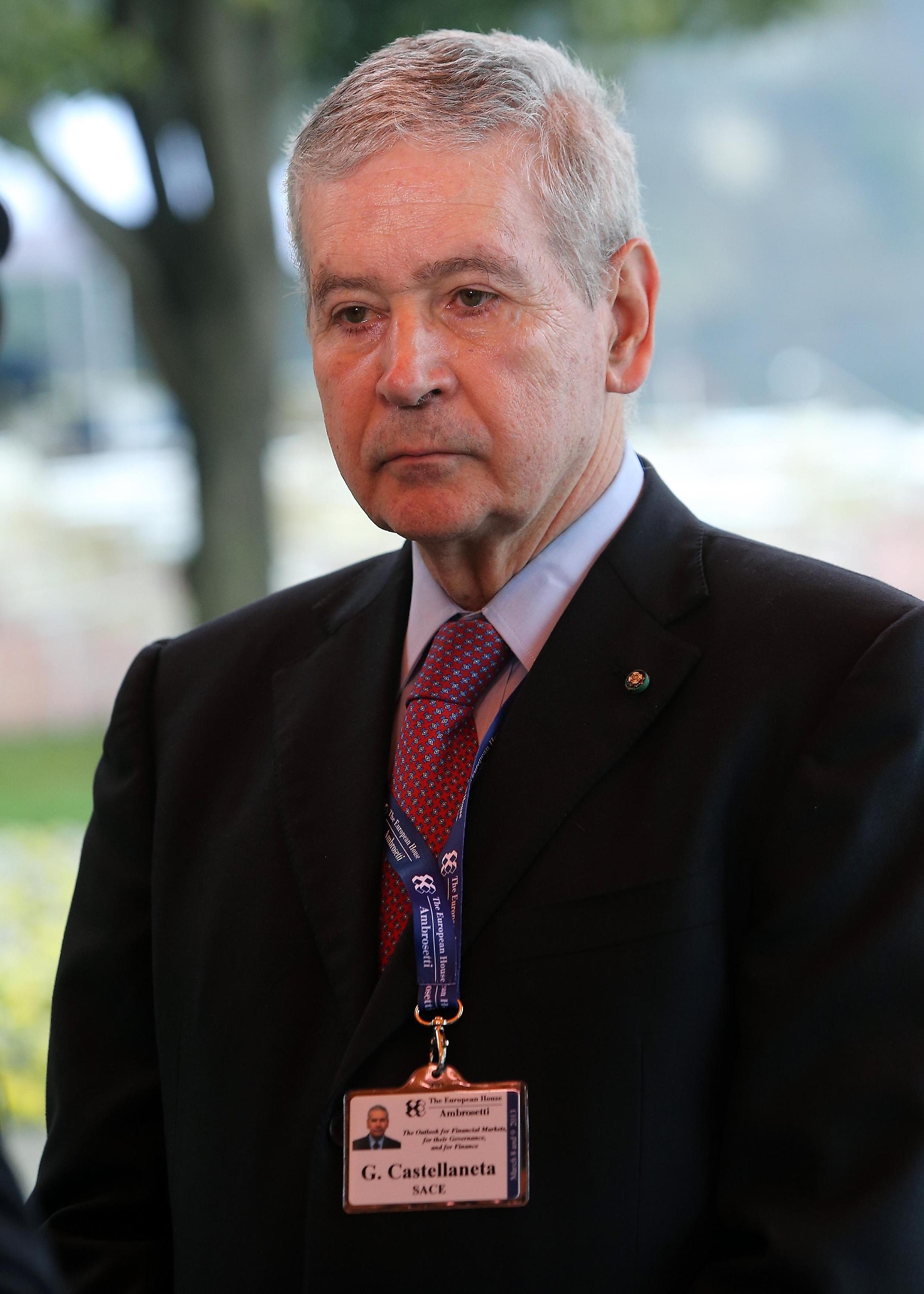
Giovanni Castellaneta
Such an outcome, which hopefully would lead Tehran to be welcomed back into the international community and to the lifting of sanctions, would open up mutual economic opportunities in which Italy would find itself at the forefront, given the excellent bilateral relations that have historically characterized the two countries. Therefore, the caution of the Italian government at this stage is commendable: the measured statements of Prime Minister Meloni and Minister Tajani, characterized by criticism but without directly involving us in the conflict, protect us from uncontrolled reactions, especially considering the proximity of the Mediterranean (and the related NATO bases) to the theater of conflict.