


-1761147112036.png)


Society
From the Tasca restaurant in Pachino, the boiled meat is served in a 'perfect' way
The ecumenical dinner of the Italian Academy of Cuisine highlighted the characteristics of the venue

Di Rosa, Quartarone e Spagnolo


A new frontier of taste that has already received an important seal, that of the Italian Academy of Cuisine, which has chosen it for the solemn Ecumenical Dinner. We are talking about the Tasca restaurant: located in the heart of Pachino in an area where seafood specialties seem obvious and taken for granted, the ambitious project of Giusi Spagnolo and Corradina Di Rosa was born, further enhanced by the mastery of chef Salvatore Quartarone.
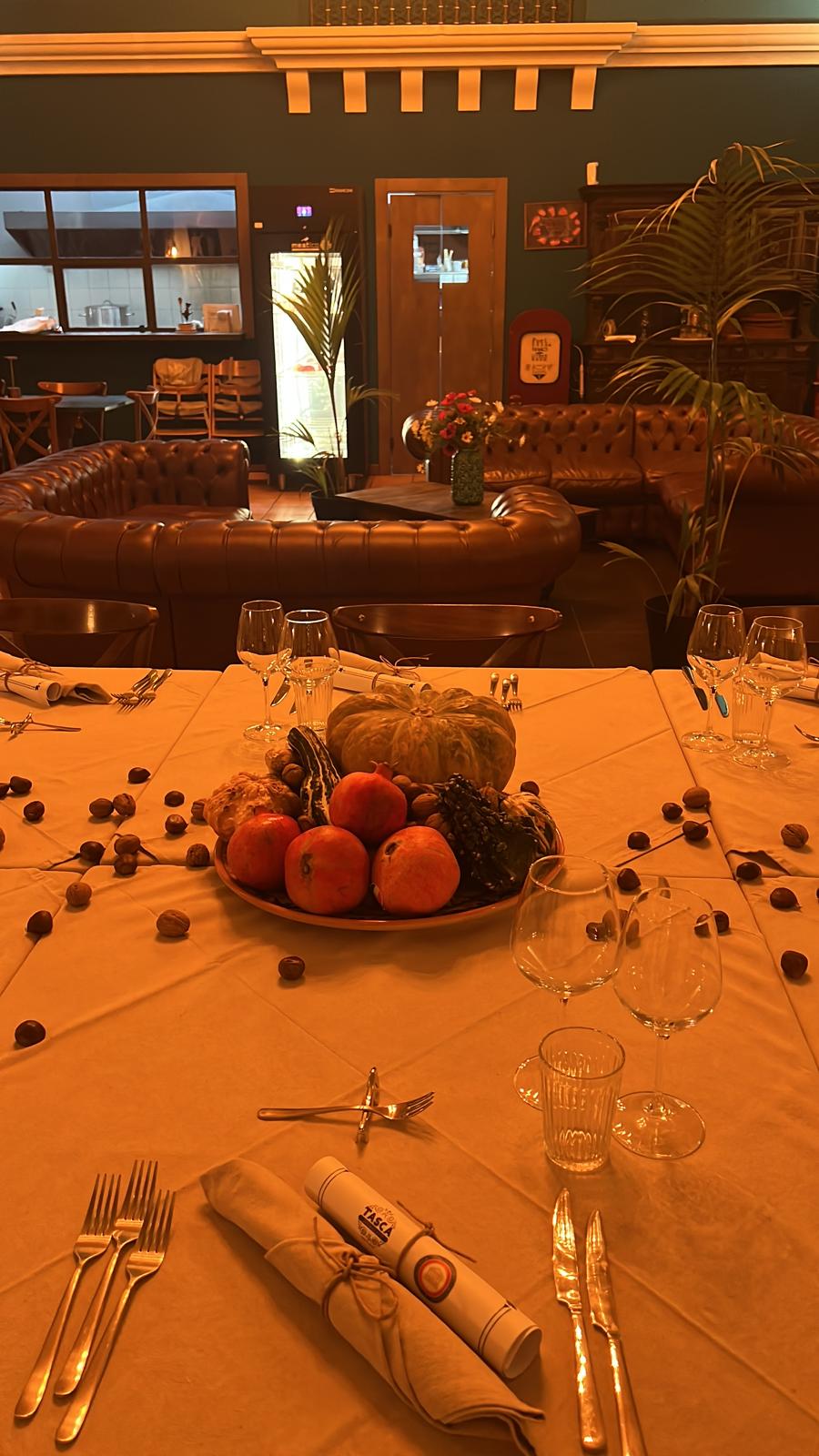
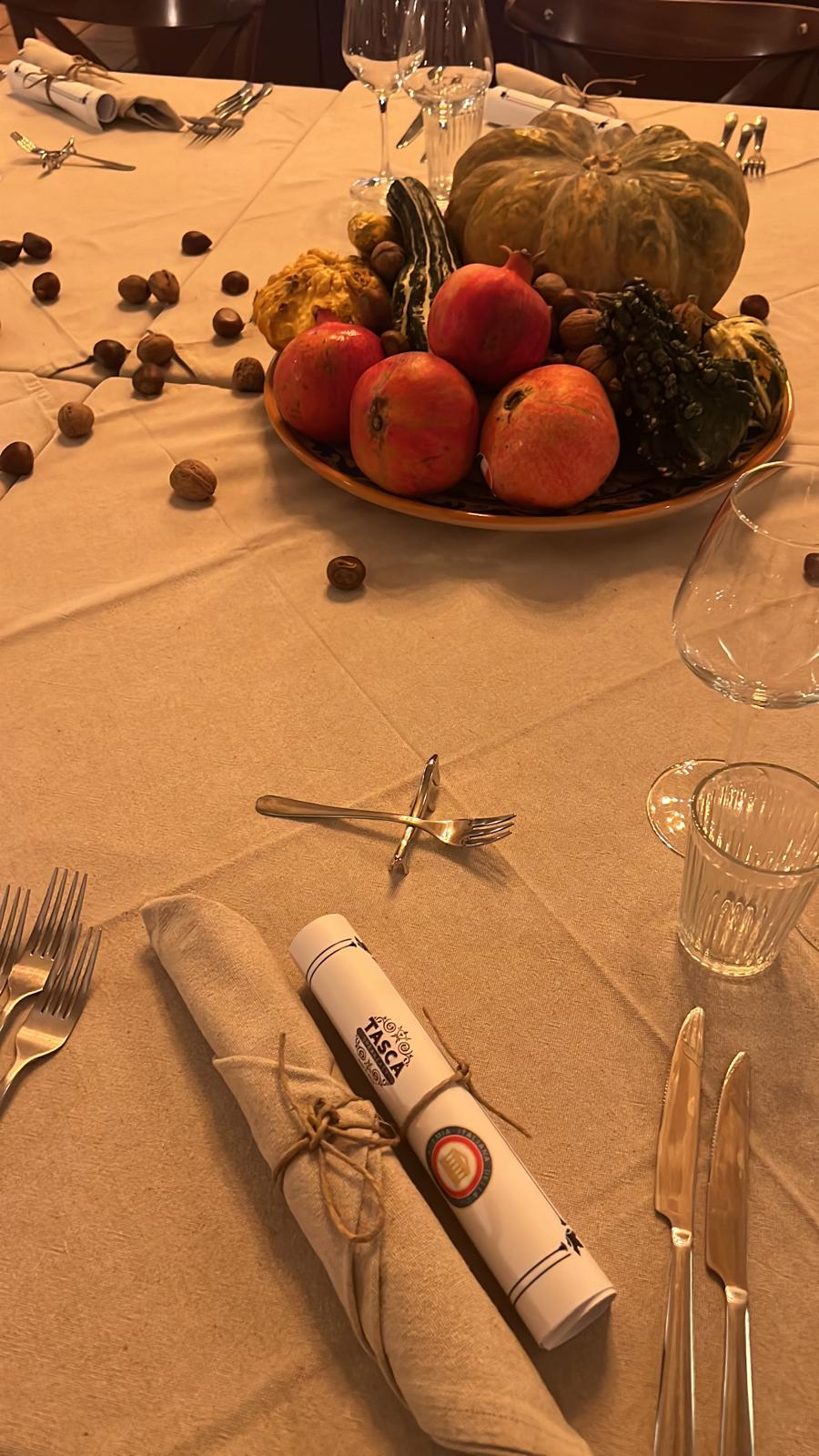
The Tasca is a restaurant that aims to elevate the culture of meat and its cooking techniques, offering national and international cuts while keeping in touch with Sicily. A success that is not the result of chance: determination, research, attention, quality, listening, commitment, and sacrifice, but also elegance and hospitality characterize the restaurant and its cuisine, which stands out thanks to a suggestive location (the restaurant is located in one of the oldest buildings in Pachino), warm and welcoming.
The soul of the kitchen is chef Salvatore Quartarone, whose educational and professional training has been consolidated in Northern Italy. This experience strongly reflects in his ability to blend traditions. The Italian Academy of Cuisine praised his interpretation of the dishes, defining the Ecumenical Dinner as "perfect" and emphasizing how the chef managed to bring a touch of excellence to a city that until now had not particularly distinguished itself for fine dining.
The theme of the evening was boiled meat, a pillar of Italian cuisine that Quartarone was able to interpret with rare philological correctness. The dish was served following the classic canon: seven cuts of meat (from the tail to the ribeye, up to the priest's hat) strictly accompanied by the seven traditional sauces, with precise references to Trentino and Piedmontese recipes, such as bagnetto rosso and bagnetto verde.
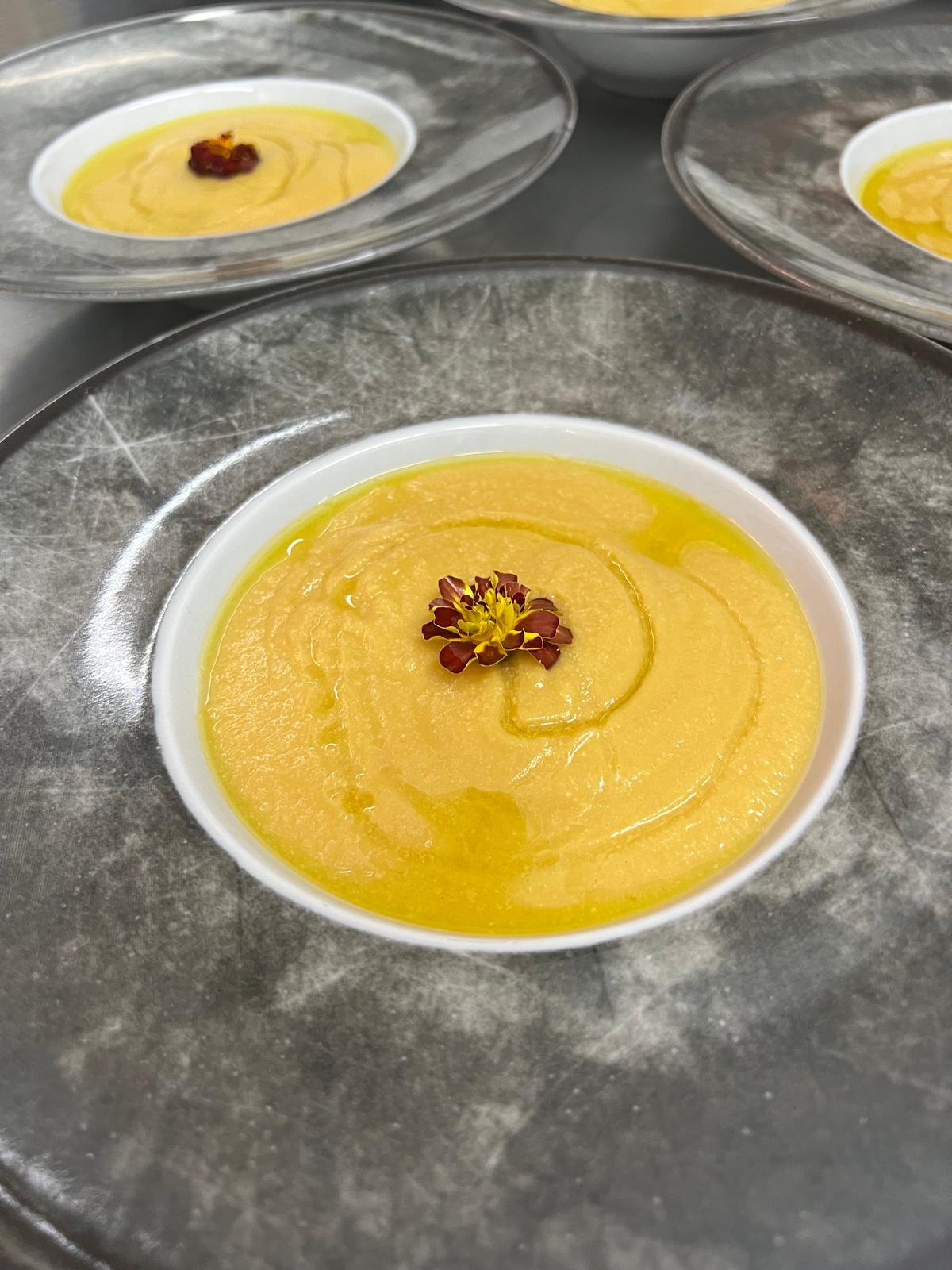
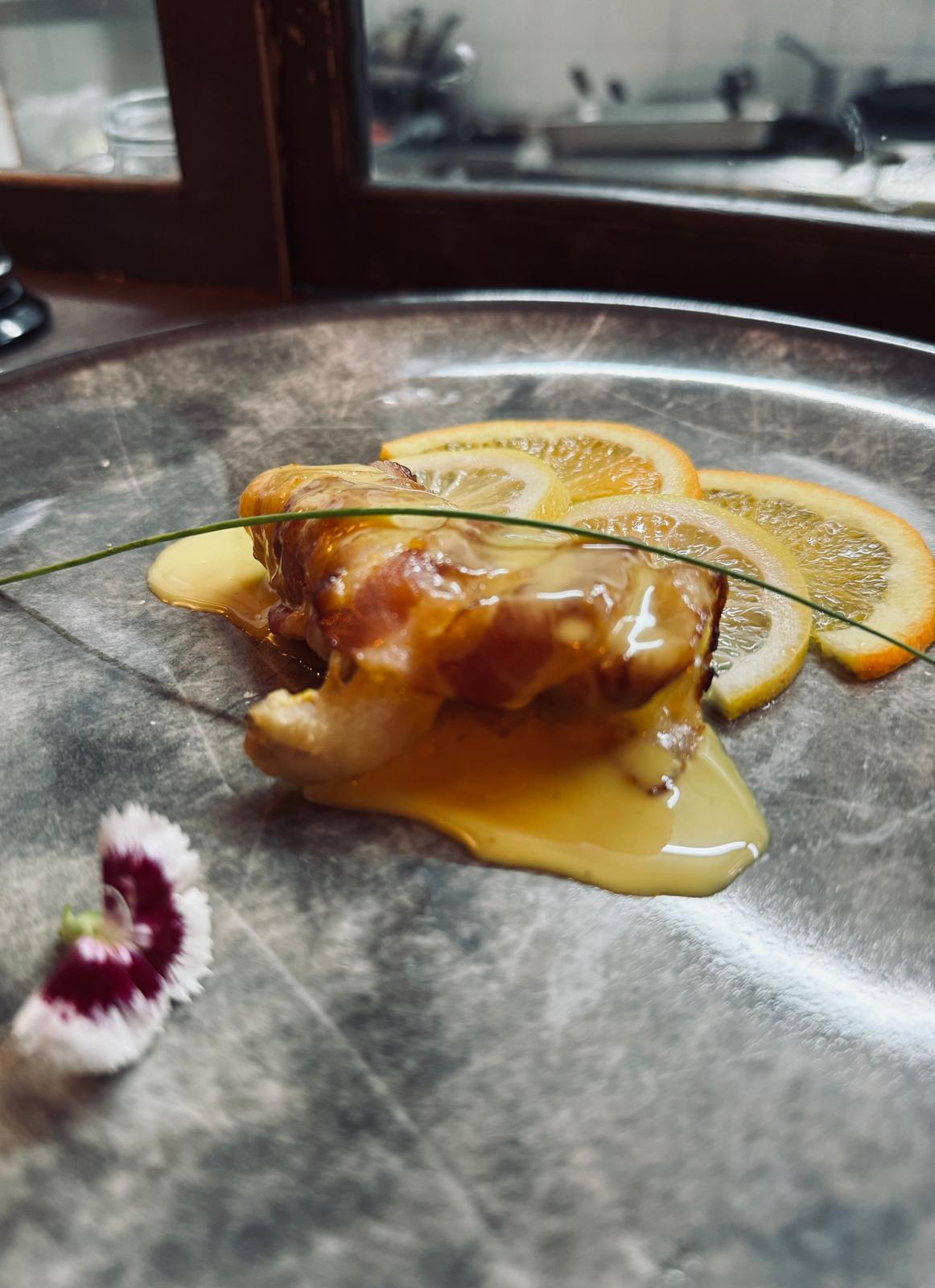
During the academic dinner, the sensory journey began with a chickpea cream enriched with Modican limousine pearls, followed by a scottadito lamb with Vichy carrots and a pluma of piglet in ghiotta. Particularly appreciated was the first course: the pizzicotti (a reinterpretation of the Piedmontese ravioli del plin) filled with Ragusano DOP fondue, a perfect gastronomic bridge between the Langhe and the Iblei. To conclude beautifully, a Sicilian cassata that, according to the critics of the Academy, deliciously leaned towards the Palermitan western style with elegant baroque decorations.
The philosophy of the Tasca restaurant is also based on a meticulous selection of raw materials. The restaurant favors local sourcing through collaborations with organic companies and excellence suppliers, but the pursuit of quality knows no boundaries. On Tasca's table, in fact, the best global selections find their place: Angus, Black Angus, Swami, Pezzata, Hereford, Spanish Rubia Gallega and New Zealand lamb.
The secret of the restaurant also lies in the processing methods, with chef Quartarone paying obsessive attention to cooking techniques: low temperature, braising, and slow boiling to respect the product without altering it, with a reduced menu that strictly follows the seasonality of the products and often rewards the so-called off-menu items. And then there’s the wine cellar: the wine list includes prestigious labels and the offer is also enriched with a fine selection of spirits. The goal is to provide a complete sensory experience: from trios of arancini (ranging from the classic recipe to the spicy curry with chicken) to evenings dedicated to tasting spirits and cigars.